Empower your money mindset with Glow & Dough, where thoughtful insights help you build wealth and overcome scarcity thinking.
Your Tax Refund Isn’t a Bonus… It’s a Delayed Paycheque 💸
How tax refunds actually work, why they’re not “free money,” and how to make smarter decisions with that money—whether it’s paying down debt, investing, or spending a bit more intentionally. 💸💭
4/27/20264 min read
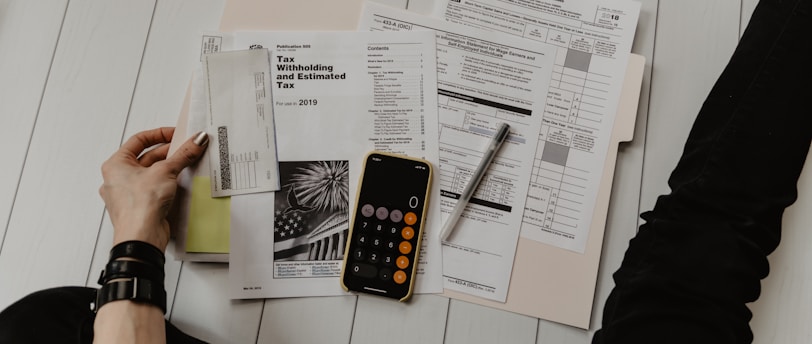
It’s that time again! Hope your taxes are done because the deadline is creeping up fast 👀
If you haven’t filed yet, I’d recommend using Wealthsimple Tax and treating it like a “financial bootcamp”—it’s a great chance to learn and take ownership of your finances. If you’re not comfortable doing it yourself, hiring someone is totally fine too… just make sure you understand what they’re doing and aren’t going in blind! 🧠
And if you’re already done? Yay! That’s a weight lifted off your shoulders until next year… woohoo 🎉
Your “Refund” Isn’t Free Money 💵
I’m here to reframe how you think about tax refunds because there’s a lot of emotion involved when that money hits your bank account! 🥲 I totally get why tax refunds feels exciting—getting a few thousand dollars back can feel like a bonus, like a get‑out‑of‑financial‑jail‑card 🏃♀️, or a chance to finally buy something you’ve been eyeing. Surprise money? Yes please. 🙏
Plot Twist: it was your money all along 😬⚠️ I know that’s not a fun or exciting way to think about it, and I don’t want to take away all the feels, but I do want to be real with you. If you’re serious about taking ownership of your finances, this is a great learning moment—it will change how you handle your money and specifically that tax refund. 🌟
That nice‑sized tax refund? It was withheld from your pay all year. Your money basically went on a little vacation with the government ✈️ You didn’t get the chance to invest it, grow it, or even use it for groceries! We all know we could use a little more for groceries nowadays. 😭 Now it’s finally being handed back… just in time for a lot of people to spend it right away. 🫠
If you take a look at your Notice of Assessment (NOA) (and please do—I want you to actually understand your numbers! 🙏), you’ll likely notice you overpaid somewhere along the way, which is why they’re “refunding” you the difference. Payroll usually deducts a bit extra to be safe, so you end up with a refund.
But here’s the part people don’t think about: that money was held for over a year. If you’re getting $2,000 back, that could’ve been about $200 in investment gains you missed out on 📉
The government had your money this whole time. It’s basically an interest‑free loan from you to them… love that for them, not so much for us 💀
And let’s not forget RRSP deductions, which are great! Getting some tax deductions back from the hard work you put in all year and saving a bit on tax is awesome 👏 But at the end of the day, it’s still a refund. You’ve already paid the taxes, and now you’re getting some back—and you’ll need to pay taxes again eventually, hopefully less. That’s a whole other topic for another time.
Personal Finance Is Personal 📚
Now, there are always exceptions because personal finance is, well… personal. There’s no one‑size‑fits‑all approach here. 👟
Where are my self‑employed readers? 👋 If you’re self‑employed and you actually owe taxes, that can be a good thing—it means you held onto your money throughout the year. If you were smart about it, you probably had it in a high‑yield savings account earning at least 2% interest before sending it off to the CRA.
This only works if you’ve been disciplined enough to set that money aside, because at the end of the day, you can’t avoid paying your taxes. I caution anyone who doesn’t save up because you’ll get hit with a tax bill every year, and it’s going to hurt if you can’t afford it. But if you’re self‑employed, there’s a good chance you already know this anyway 😅
Another exception is if you’ve been strategic with your finances—leveraging debt, owning rental properties, or claiming WFH deductions. In that case, you might be actively reducing your taxes, which I love 👏You’re using the system to your advantage, and if that’s you, you’re probably already investing and thinking long‑term. High five to you, you’re doing something right. 🙌
So What Should You Do Now? 🤷♀️
At this point, the money is here, so let’s focus on what happens next. That’s the whole point of Glow 🌟—we’re forward‑thinking and we invest for the long term: retirement and beyond.
Okay, the “math‑perfect” answer is to invest all of it. But we’re humans, so I’m not against a little “treat yourself” moment 😌 Go ahead and get a little fancy with a nice cup of matcha, a cozy hoodie, or a small splurge. But let’s not take YOLO too far and blow the whole thing on a Louis Vuitton bag. As the Wealthy Barber would say, “pay yourself first”—for your future self, not the present‑day version of you that just wants a new pair of shoes.
If you’re debt‑free, maybe spend 5–10% if you’ve been eyeing something, and then put the rest to work. Investing it into something tax‑sheltered is a great move. RRSP is always a solid option, and if you’re planning to buy a home, TFSA or FHSA are also great choices.
I’m not here to argue which one is best—as long as you’re investing instead of spending it all, you’re already winning 👍
If you have credit card debt, please pay that off first! 🚨 That interest rate is working against you every single day, and your future self will thank you for it. No investment return in the world will beat the damage that crazy credit card APR can do 😵
And if you’re thinking about saving your refund for a big purchase like a TV 📺, I’ll dive into that in another blog. But quick tip: refunds aren’t always predictable, so they shouldn’t be your “savings plan” for that purchase. There are other, more reliable and manageable ways to save for something like that.
So don’t go spending it like you just won the lottery 🎰
You didn’t—you just got your own money back 😅
Connect
Join us and transform your money mindset today.
gaby@glowanddough.com
© 2026. All rights reserved.
Glow & Dough is for informational purposes only and is not professional financial advice. See our full disclaimer